Software Development Life Cycle
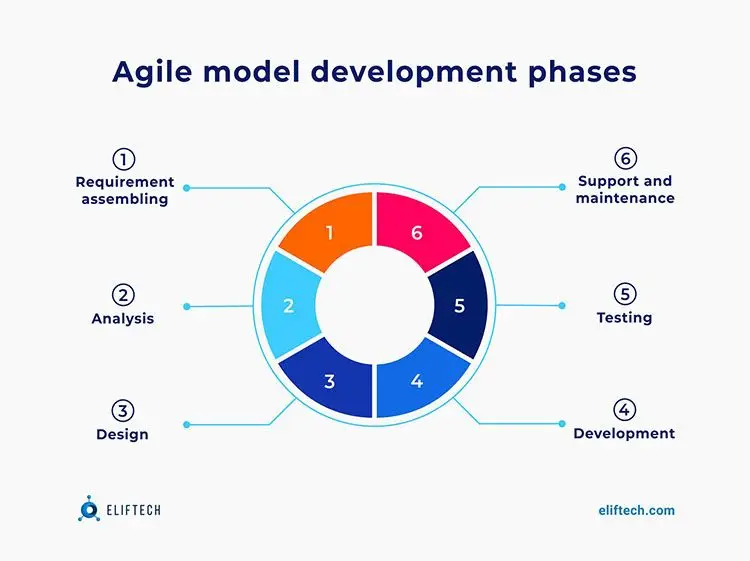
Requirement Analysis
The first and most important step is gathering and analyzing the requirements. This phase involves:
Stakeholder Interviews: Conducting interviews with clients, end-users, or stakeholders to understand what they need from the software.
Defining Objectives: Clearly stating the purpose and goals of the software.
Creating Requirement Documents: Detailing functional and non-functional requirements.
Feasibility Study: Checking if the project is technically, operationally, and financially viable.
Planning
Once the requirements are understood, the next step is planning the project. In this phase:
Project Scope and Resources: Defining the scope of the project, estimating costs, and allocating resources like time, personnel, and tools.
Risk Management: Identifying potential risks and creating mitigation strategies.
Timeline: Establishing project milestones and deadlines.
Team Structure: Assigning roles and responsibilities to the development team.
System Design
This phase focuses on creating the architecture of the software:
High-Level Design (HLD): Designing the system’s structure, including modules, data flow, and interfaces.
Low-Level Design (LLD): Defining each module’s functions, classes, and database design in detail.
Technology Stack Selection: Choosing programming languages, frameworks, databases, and other tools.
UI/UX Design: Designing user interfaces and user experiences to ensure the software is user-friendly and meets the client’s needs.
Development
In this phase, actual coding and software creation happen:
Frontend Development: Building the user-facing part of the software (if applicable).
Backend Development: Setting up the server-side logic, database connections, and APIs.
Version Control: Using version control systems like Git to manage code changes.
Iterative Coding: Often, developers follow agile or iterative development practices to code in cycles and allow for continuous feedback.
Testing
After the initial development, the software undergoes rigorous testing to find and fix bugs:
Unit Testing: Testing individual components or functions.
Integration Testing: Ensuring that different modules work together.
System Testing: Testing the software as a whole to ensure it meets the defined requirements.
User Acceptance Testing (UAT): Allowing end-users to test the software and provide feedback.
Performance and Security Testing: Ensuring that the software performs well under load and is secure against vulnerabilities.
Deployment
After testing is complete, the software is ready to be deployed to a live environment:
Deployment Planning: Deciding the right time and environment for deployment (production, staging, etc.).
Continuous Integration/Continuous Deployment (CI/CD): Automating the deployment process to streamline updates.
Server Setup: Configuring servers, databases, and any required infrastructure.
Launch: Releasing the software to users.
Maintenance and Support
Post-deployment, the software requires ongoing maintenance and support:
Monitoring: Continuously monitoring the software to ensure uptime and performance.
Bug Fixes and Updates: Addressing any issues reported by users and pushing updates.
Scaling: Enhancing the software to handle more users or data as needed.
Version Updates: Adding new features or improving existing ones based on user feedback.